Strategies for DTC Success: Balancing Customer Acquisition Cost and ROI

Did you know that businesses that prioritize Customer Acquisition Cost (CAC) optimization are 73% more likely to achieve higher revenue growth rates compared to their competitors? Effectively managing CAC involves more than just attracting customers—it’s about optimizing every dollar spent to achieve measurable returns.
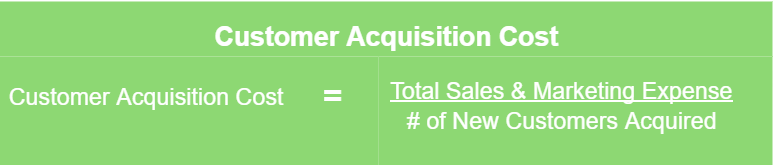
CAC is the total amount a business spends on sales and marketing to gain new customers. It’s calculated by dividing the total expenses by the number of new customers acquired within a specific time frame. Ideally, a good CAC should be much lower than the Customer Lifetime Value (LTV), aiming for a ratio of around 3:1 or 4:1 LTV: CAC to ensure profitability.
Here’s a deep dive into the strategies and challenges involved:
-
Understanding Customer Acquisition Costs
CAC encompasses all expenses associated with acquiring new customers, including advertising spend, content creation, analytics tools, and more. Accurately calculating CAC is crucial for optimizing ROAS (Return On Ad Spend). By understanding and tracking these costs meticulously, businesses can make informed decisions about where to allocate their marketing resources effectively. This approach helps manage budgetary constraints and ensures that each marketing dollar spent contributes directly to generating measurable returns, ultimately maximizing profitability and growth.
-
Challenges in the Digital Landscape
Navigating CAC in the digital landscape presents several key challenges that businesses must address to optimize their marketing strategies effectively.
- Industry-specific CAC Variations: Explore how CAC varies across different industries and its impact on marketing strategies. For example, eCommerce businesses might face a lower average CAC of around $70, while other sectors could have significantly higher costs depending on competition and market saturation.
- Overspending on Ineffective Channels: Investing heavily in channels that do not yield desired customer acquisition results.
- Underestimating Conversion Rates: Not accurately predicting how many leads will convert into paying customers, leading to inefficient resource allocation.
Understanding these challenges is essential for businesses aiming to maximize ROI and achieve sustainable growth in competitive markets.
-
Strategies for Efficient CAC Management
Adopting a ROAS-focused approach involves rigorous tracking and analysis of campaign performance against industry benchmarks.
Closely monitor these key metrics to identify successful strategies and areas for improvement:
- Conversion rates
- Cost per acquisition
- Customer lifetime value
Also, leverage advanced data analytics and customer insights to refine targeting and messaging.
This data-driven approach enhances the effectiveness of marketing efforts and ensures that resources are allocated optimally, maximizing ROAS and driving sustained business growth.
-
Digital Marketing Tactics
Implementing effective digital marketing tactics is crucial for optimizing customer acquisition costs and enhancing ROAS:
- Effective Use of Targeted Advertising: Utilize Pay-Per-Click (PPC) campaigns, strategic social media ads, and partnerships with influencers to precisely target and engage potential customers.
- SEO and Content Marketing Strategies: Implement robust Search Engine Optimization (SEO) practices and create valuable content that resonates with your audience. These strategies enhance organic traffic to your website and reduce CAC by attracting high-quality leads who are more likely to convert.
By integrating these digital marketing tactics, businesses can strengthen their online presence, increase visibility, and drive more cost-effective customer acquisition strategies in today’s competitive digital landscape.
-
Testing and Optimization
A critical aspect of optimizing CAC is the systematic testing and refinement of marketing campaigns:
- A/B Testing: Conducting A/B tests on ads, landing pages, and messaging allows businesses to compare different versions and identify which elements resonate best with their target audience. This iterative testing process helps improve conversion rates and overall campaign performance.
- Iterative Approach: By analyzing performance metrics such as click-through rates, conversion rates, and ROAS, businesses can make data-driven decisions to refine their campaigns continually. This approach involves adapting strategies based on real-time feedback and industry standards to maximize CAC efficiency.
Implementing a rigorous testing and iteration process enhances the effectiveness of marketing efforts and ensures that resources are allocated effectively to achieve sustainable growth in competitive markets.
-
Long-term Sustainability
Building brand loyalty and maximizing CLV through effective engagement strategies are crucial for sustainable growth. Maintaining a healthy LTV: CAC ratio ensures that the cost of acquiring customers is outweighed by the value they bring over their lifetime. Balancing short-term CAC goals with long-term brand-building initiatives is essential for fostering customer loyalty and maximizing profitability.
 Leveraging Charis Media Capital for Brand Growth
In the competitive digital marketing landscape, achieving optimal customer acquisition costs and maximizing ROAS requires flexibility and strategic funding. Charis Media Capital offers a tailored, flexible media funding credit line that empowers businesses to expand their marketing reach without depleting operational resources.
The Charis approach allows brands to adapt and evolve their marketing strategies efficiently, driving growth, and enhancing brand visibility. By leveraging Charis Media Capital’s funding solutions, businesses can navigate the complexities of customer acquisition costs while positioning themselves for long-term success in the digital marketplace.
Contact our team today for a free, no-obligation consultation.